Programs
Where Global Exposure Meets Personal Growth.
What the programme covers
GICIP's programs connect academic learning with industry exposure, cultural immersion and global perspectives.
Six parts, running from the first hosted visit to the job search months after you are home.
Part 1 of 6
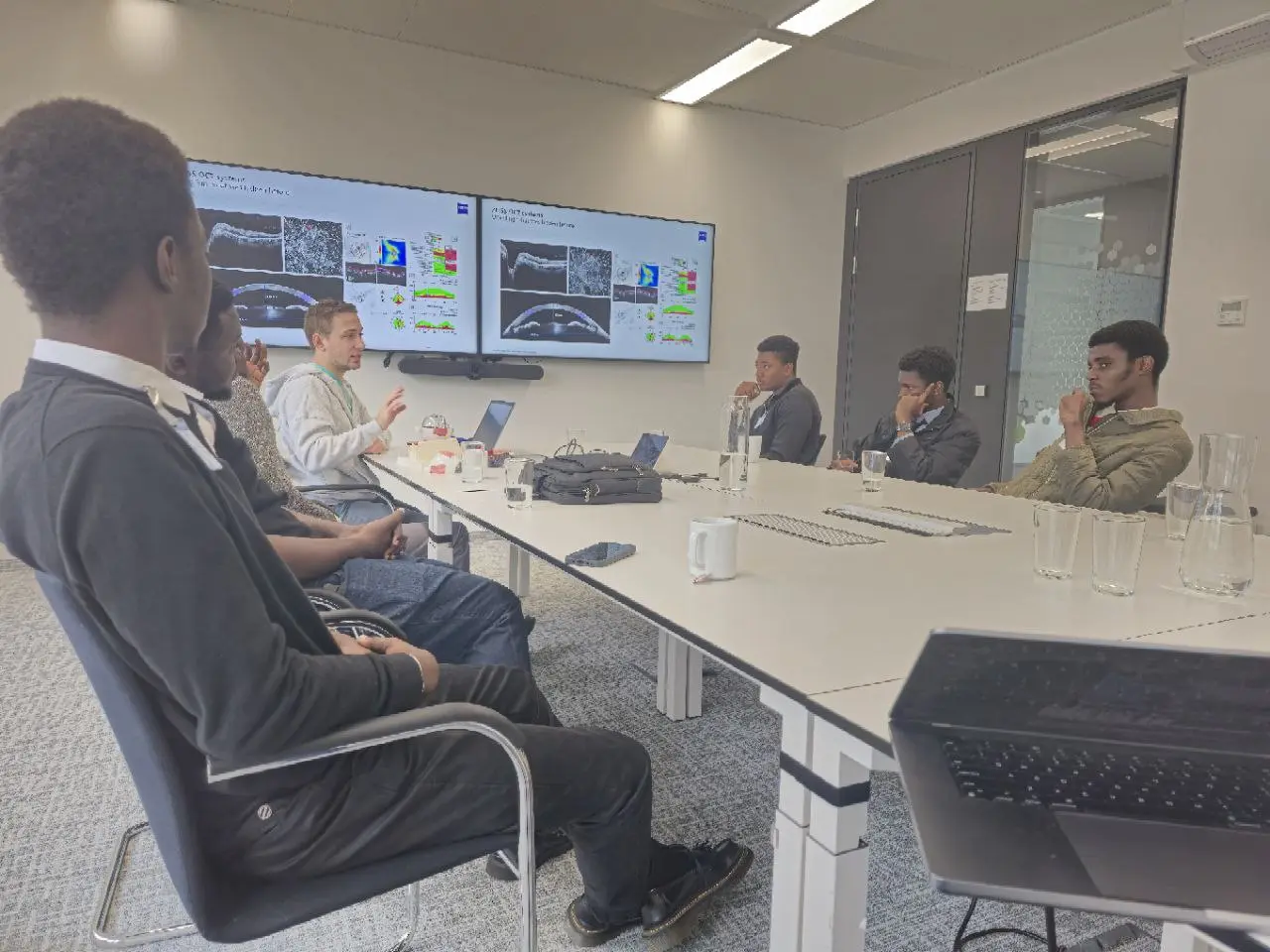
Corporate & Industry Exposure
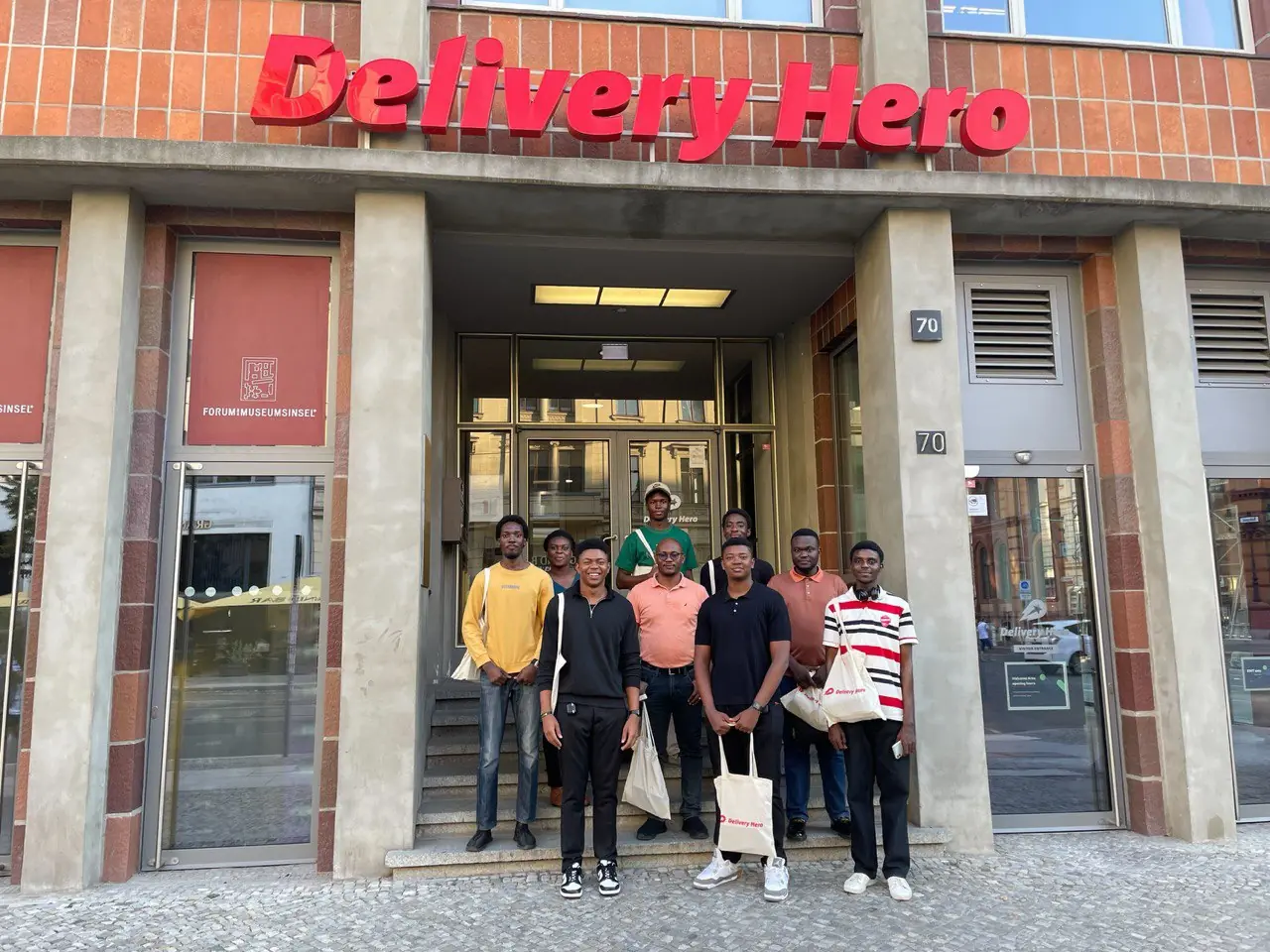
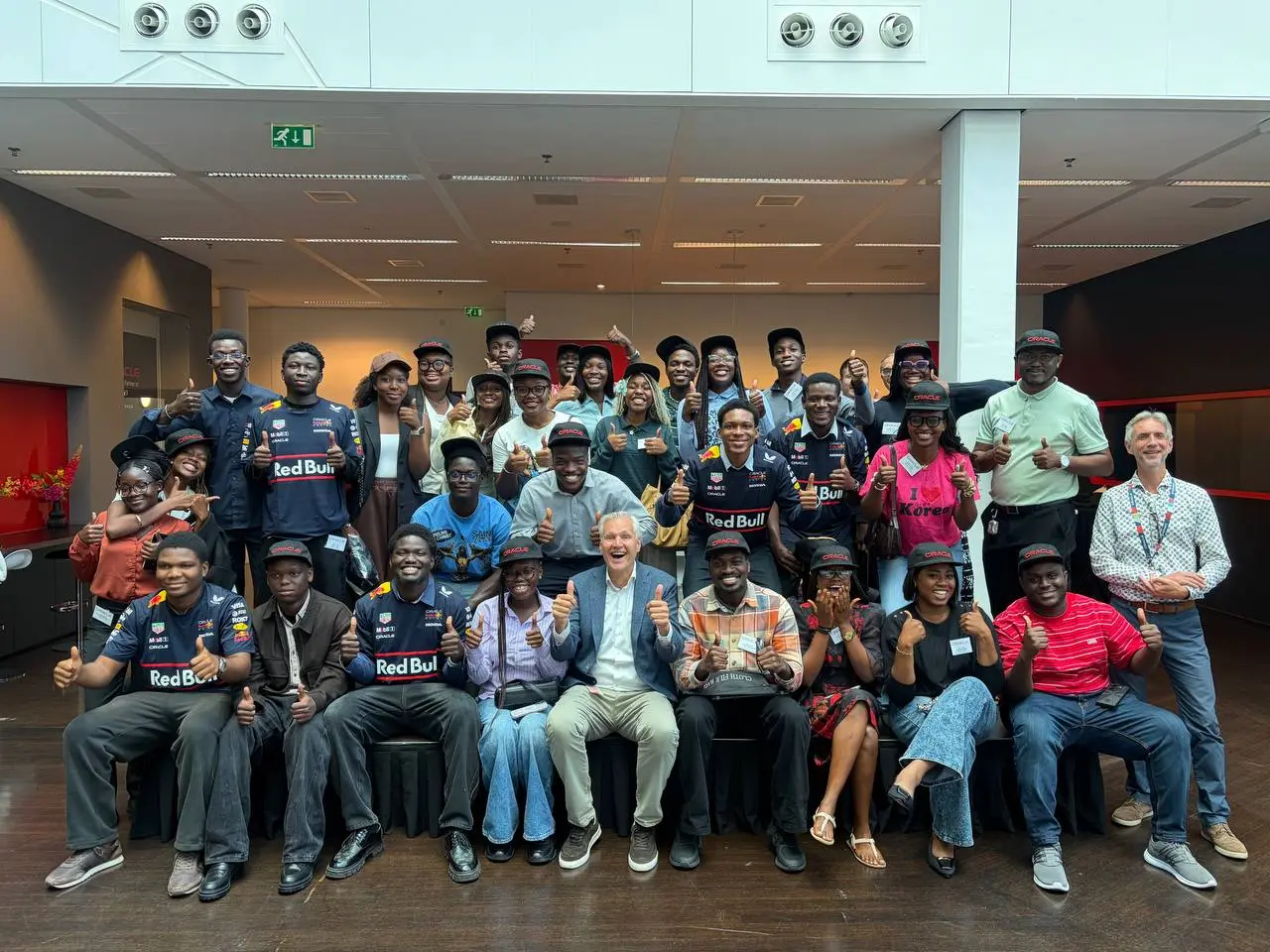
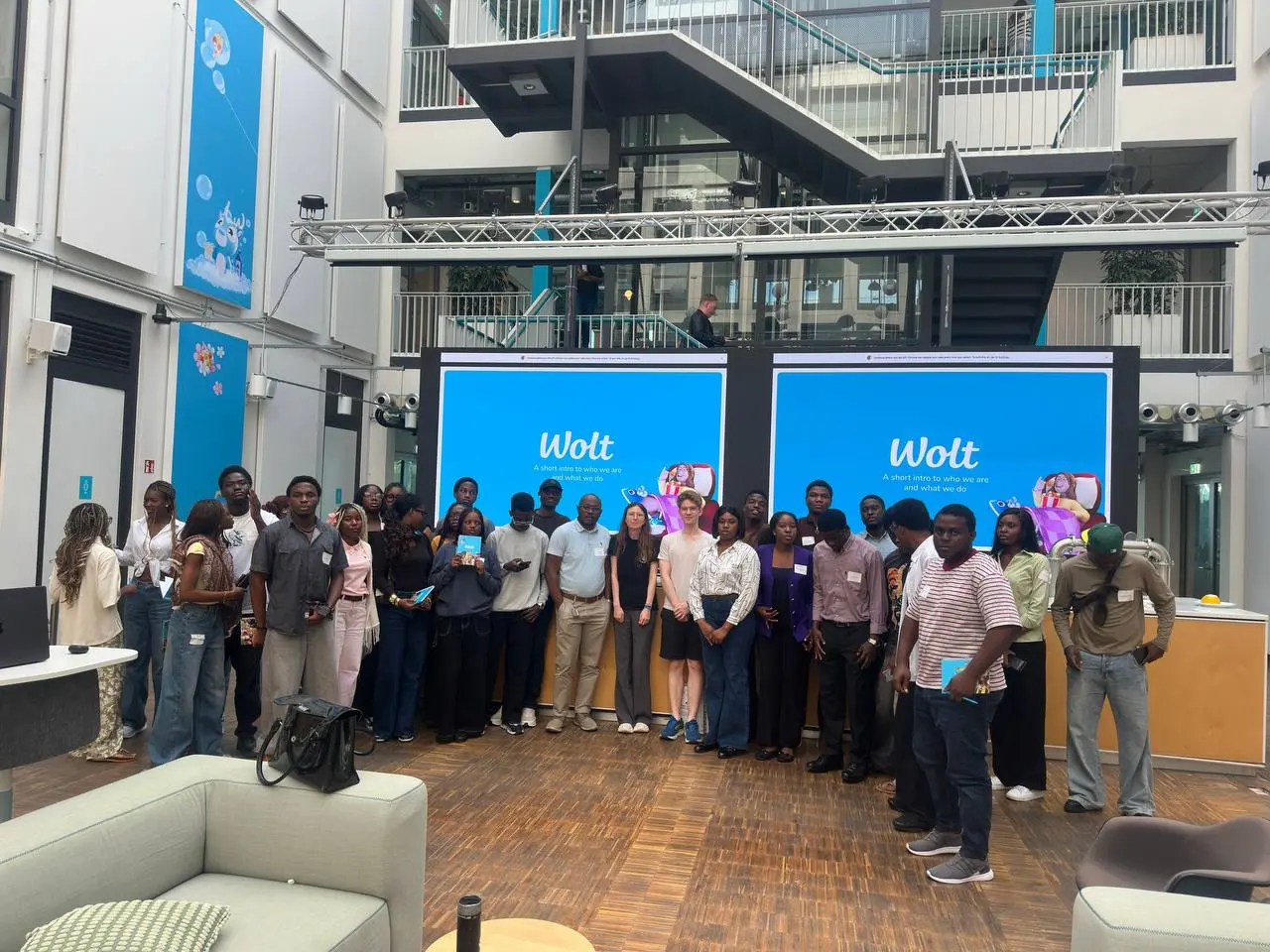
Explore the environments where innovation happens through visits to leading companies, technology hubs, research institutions, and industry organizations. Gain firsthand insight into how businesses operate, how ideas become solutions, and how different industries shape the future.
Part 2 of 6
Global Exploration & Sightseeing
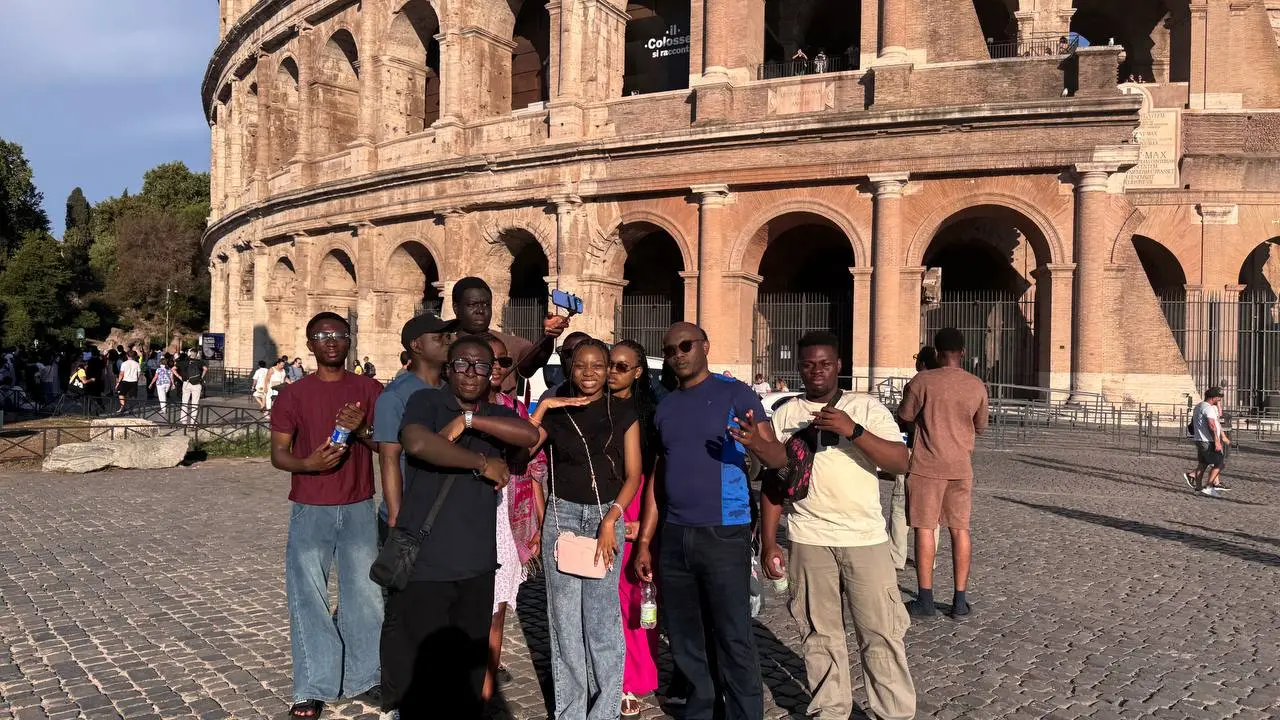
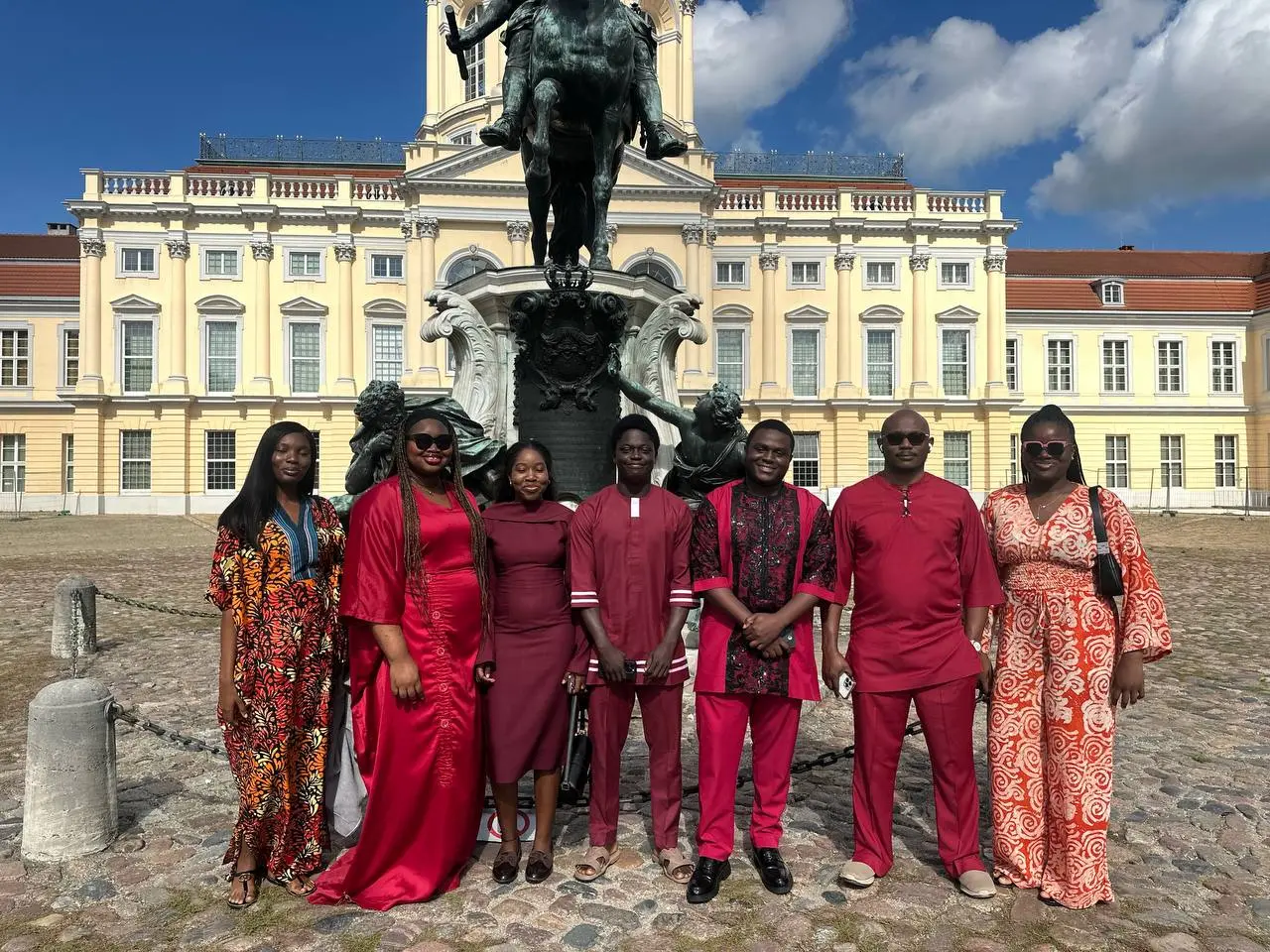
Explore iconic cities, historic landmarks, museums, and architectural wonders across Europe. Every destination offers a chance to understand the history, ideas, and institutions that have helped shape modern society.
Part 3 of 6
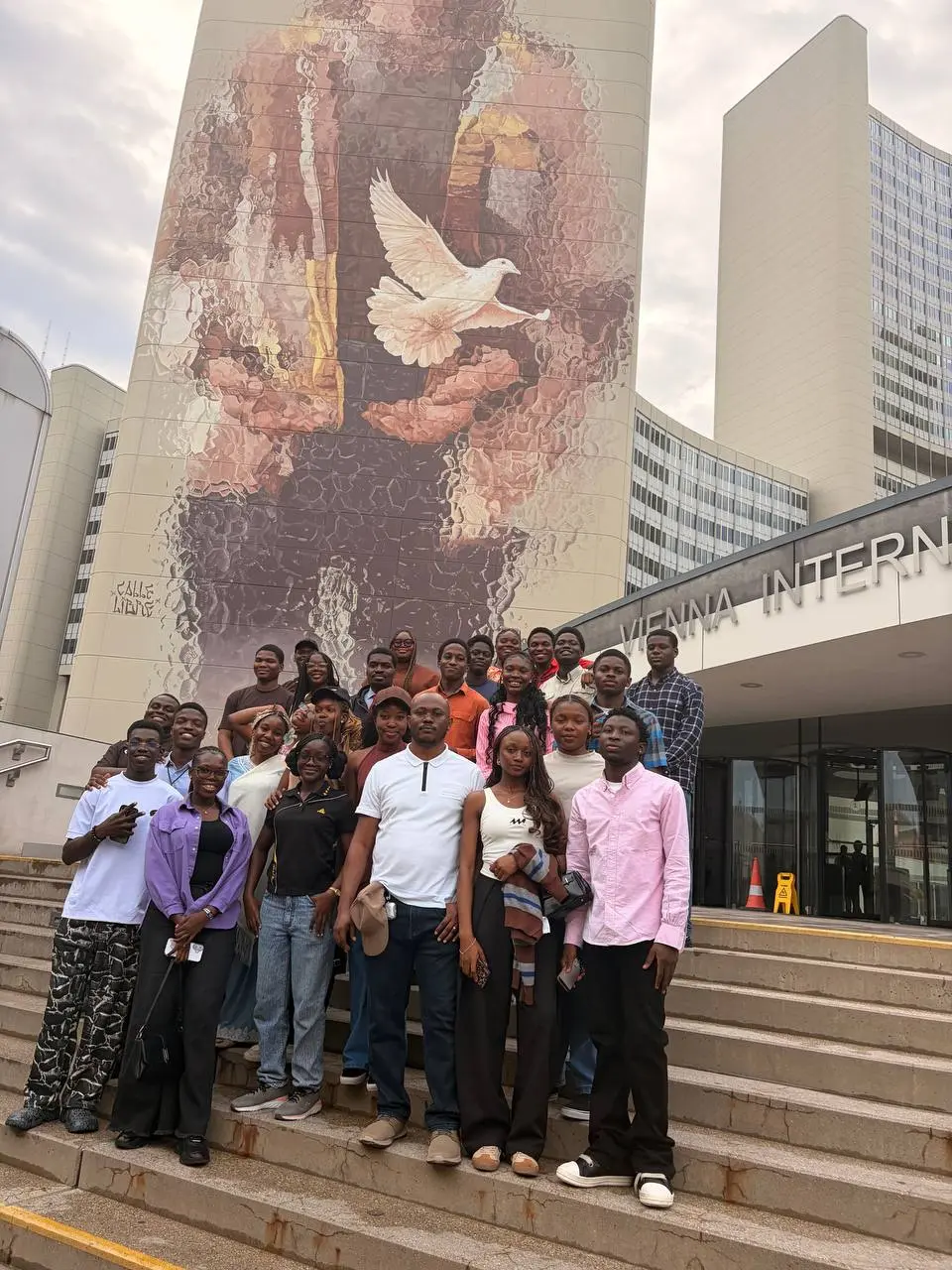
Global Governance & Leadership
Discover how international institutions, governance systems, and global organizations contribute to diplomacy, international cooperation, justice, and leadership. Gain a broader understanding of the forces and decisions shaping societies worldwide.
Part 4 of 6
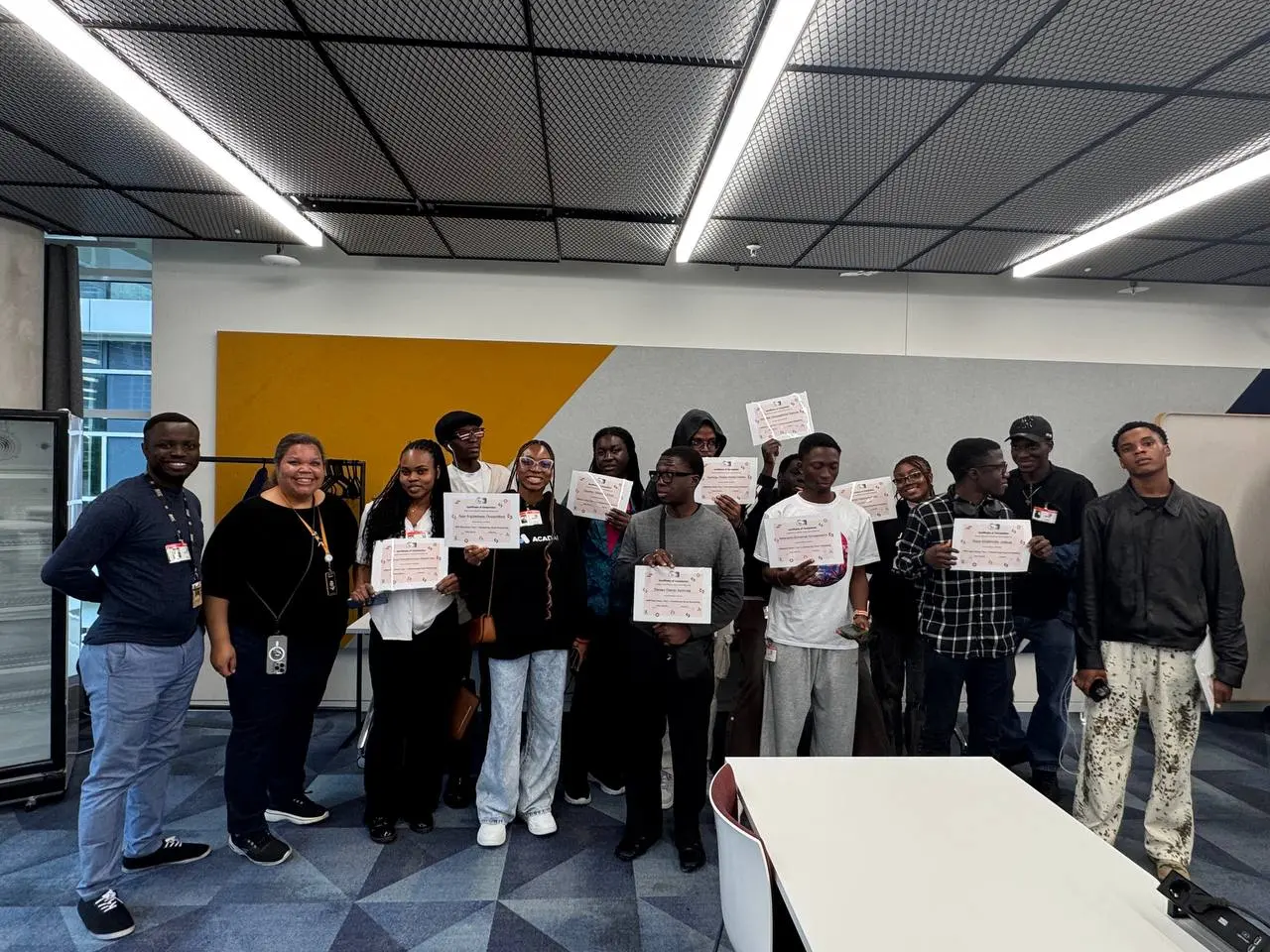
Career Development & Professional Readiness
Build a clearer picture of your career possibilities and the skills needed to pursue them. Through career guidance and professional development activities, participants can identify their strengths, explore career pathways, and prepare to navigate an increasingly competitive job market.
Part 5 of 6
Post-Program Career Support
GICIP provides continued career support beyond the program, guiding participants through CV and portfolio development, job applications, interview preparation, and career opportunities. We walk alongside you throughout your job search, offering guidance and support until you secure a role and take the next step in your professional journey.
Part 6 of 6
Leadership & Personal Growth
GICIP helps participants grow beyond the classroom by building confidence, adaptability, and independence. Through international exposure and cultural exchange, participants learn to embrace diverse perspectives, approach challenges with an open mind, and develop the self-awareness and initiative to navigate new environments, make informed decisions, and pursue new opportunities.
What you will actually be doing
The shape of a week
Taken from the day-by-day itinerary the programme issues before departure. The balance shifts from cohort to cohort; the rhythm does not.
Weekday mornings
Inside a company, at 10:00
A hosted visit begins mid-morning: a walkthrough, a session with the people who work there, and the questions you prepared beforehand. Past mornings have been spent at Staffbase, Delivery Hero, Carl Zeiss, SAP, AWS and Oracle.
Weekdays otherwise
At the bootcamp
Days not given to a visit are spent at 42 Berlin, working through projects with no lectures and no instructors. This is the part of the programme that is work rather than exposure, and it is where most of the hours go.
Saturday
Sabbath, and rest
The cohort keeps Sabbath together at a local Seventh-day Adventist congregation, as a Babcock University programme does. It is the one day with nothing scheduled around it.
Sunday
The city itself
Museums, landmarks and the ordinary business of being somewhere new. Past Sundays have taken in the Brandenburg Gate, Museum Island, the Bundestag, the Deutsches Museum, BMW Welt, the Colosseum and the Vatican Museums.
How a cohort runs
Four phases, one term
Selection to follow-through, with the trip in the middle rather than at the end.
Phase 1
Selection and preparation
Applications, academic and readiness screening, visa and documentation, and a pre-departure curriculum so nobody arrives without context on the companies being visited.
Phase 2
Immersion
Company visits, innovation hub sessions, university and bootcamp exchanges, and structured cultural exposure. Every visit has a brief and a set of questions participants are expected to have prepared.
Phase 3
Conversion
Debrief workshops that turn the trip into something you can use: an updated CV, a rewritten LinkedIn profile, a target company list, and warm follow-ups sent within a fixed window while the contact is still fresh.
Phase 4
Follow-through
Alumni tracking, referral into the network, and returning participants coming back as mentors for the next cohort.
After you are home
The job search is run in cycles
Each cycle has a deadline, an evidence standard and a retention rule, and they repeat for as long as a participant is still looking.
One
A target and a closing time
Each cycle sets a number of applications to complete, 150 in the current cycle, and the hour it closes. Nothing submitted after that hour is counted towards it.
Two
Evidence, not claims
Every application is submitted by the participant personally and saved as a legible screenshot of the confirmation screen, filed under their own name. An application without clear evidence does not count.
Three
A CV held to a standard
One page, honest titles and dates, no invented figures, no claim the page does not prove, and every link tested on a phone. Nothing goes out until it meets the standard, because nothing should be on it that cannot be defended calmly in an interview.
Four
One-to-one growth sessions
Participants in full compliance at the close of a cycle are invited to one-to-one growth sessions. Keeping to the timelines is what keeps someone in the process, and the process continues cycle after cycle until a role is secured.
Before you apply
Who can go
The programme has consistently asked for the same things. They are worth checking before the first payment rather than after it.
Academic standing
A cumulative grade point average of at least 2.00, evidenced. The coordinator reserves the right to review that floor upward for a given cohort.
Conduct record
A recent citizenship grade of A or B, maintained up to departure rather than only at the point of applying.
Age at departure
Eighteen or older when the cohort travels. Applicants who are seventeen when they apply must turn eighteen before the cut-off date set for that cohort.
Medical fitness
A letter from Babcock University Teaching Hospital certifying fitness to travel, submitted to the coordinator well before departure.
A valid passport
An international passport that stays valid past the cohort's return. Applicants without one are expected to start that process early, because it gates the visa appointment.
Proof of funds
The consulate may ask for a bank statement covering the previous three months. Budget for a closing balance in the region of 2,500 euros or the naira equivalent.